

When a Portrait Becomes Public
My assignment for France Football

A few weeks ago, I traveled to Monterrey for an editorial assignment commissioned by France Football. The subject was Jennifer Hermoso.

Like many assignments, it began quietly. No noise, no grand expectations. Just a camera, a conversation, the pressure of limited time, and the responsibility of trying to create an honest image of someone whose face already belongs, in many ways, to the public sphere.
That aspect interested me from the beginning.
Jennifer Hermoso is not simply one of the defining figures in contemporary women’s football. Over the past years, she has also become part of a much larger cultural conversation. A public figure carrying visibility, symbolism, media attention, and projection far beyond sport itself.
And this changes the way you approach a portrait.
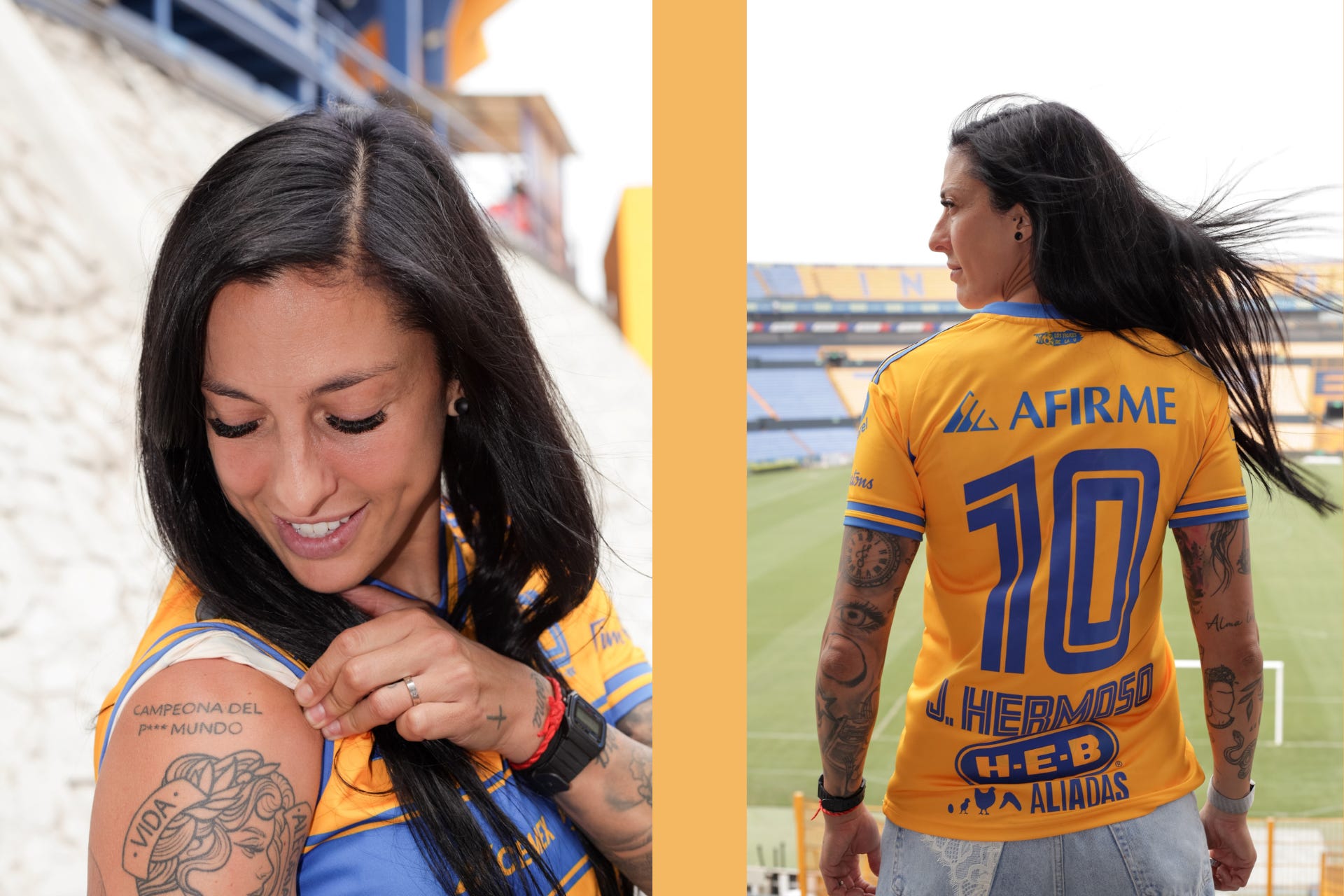
Because at some point, you realize you are not only photographing a person. You are photographing the distance between the public image and the human presence that still exists underneath it.
For me, this is where street photography unexpectedly returns.
People often think editorial portraiture and street photography are distant worlds, but I increasingly feel the opposite is true. The streets teach you to observe small gestures, tension, silence, hesitation, posture, rhythm, emotional temperature. They teach you to recognize when someone briefly stops performing themselves.
That sensitivity becomes essential during editorial assignments.
Especially today, when so much portrait photography feels overconstructed, overlit, overexplained, or emotionally empty despite its technical perfection.
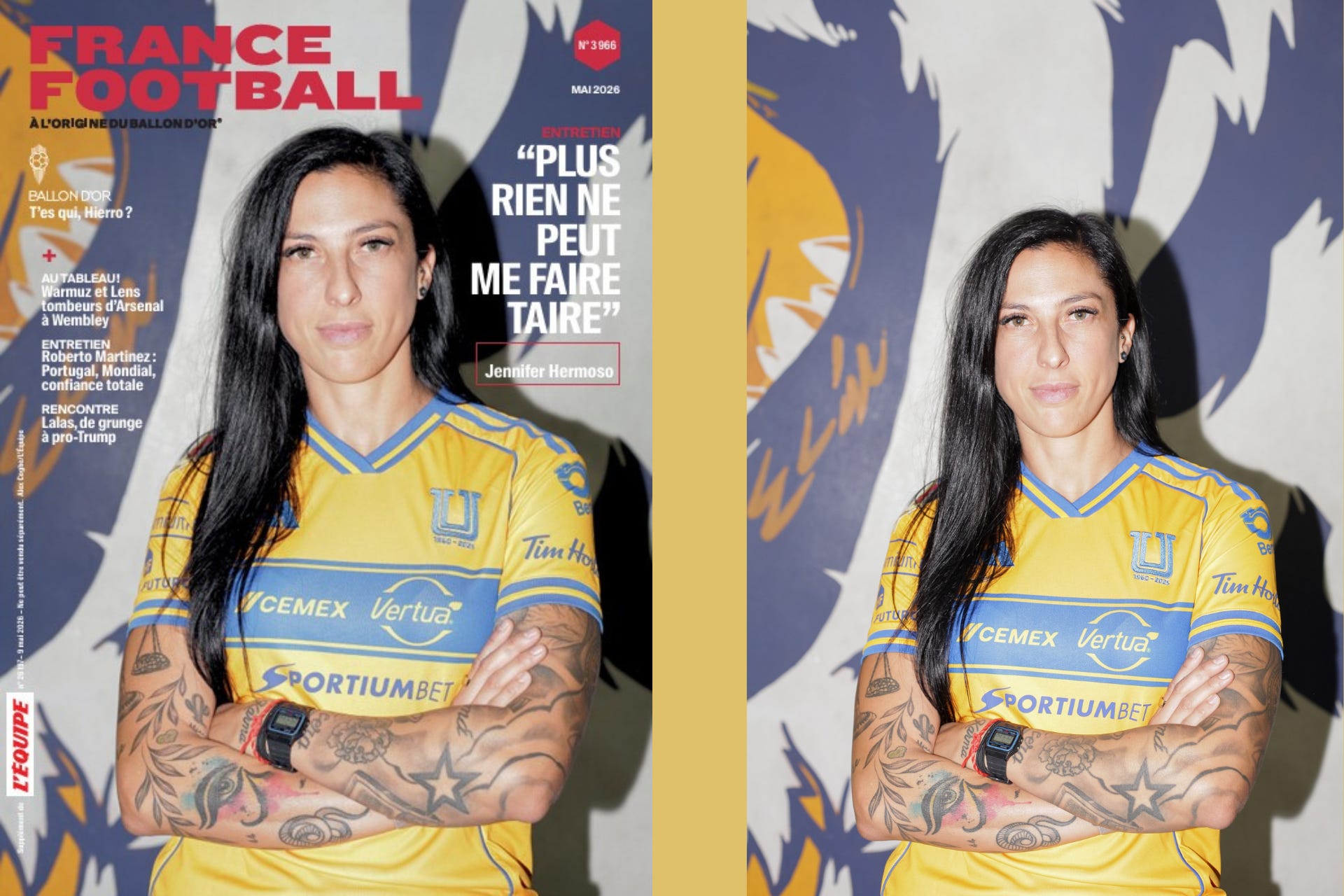
What interested me in Monterrey was not creating a heroic image. Not spectacle. Not visual noise. I wanted the portrait to retain a certain human weight. Something direct. Something calm. An image able to exist both inside the editorial world of an international magazine and outside of it.
A few days later, I received the preview from the reporter I was working with.
The portrait had become the cover.
Seeing your image transformed into a magazine cover is a strange feeling. At that point, the photograph no longer fully belongs to you. It enters another dimension. It becomes public, editorial, collective. It starts speaking inside a context much larger than the moment in which it was created.
And maybe this is one of the most fascinating aspects of editorial photography.
The image leaves your hands and begins a completely different life.
You can read the article on L’Equipe by clicking here